
Thirty Tabs and a Takeaway
I need a detox from modern food culture
Stop me when this sounds familiar.
Hunger pains rumble and I'm initially excited by the thought of deciding upon what's for dinner. Sometimes you hear that's a 'dreaded' question, but it's really quite exciting at first. I begin my search with a vague memory of the contents of my fridge on google, sandwiched by the words 'easy' and 'best'. Thirty minutes later and several tabs later, I'm reflecting on my reading of Jenna's recent spiritual trip to Costa Rica and whether it was mostly funded by accidental clicks of advertisements on her "Better than takeout: Kung Pao Chicken".
I just wanted the chicken recipe and I actually have the freedom to pick between 14 tabs-worth for the same recipe. Admittedly, the only defining feature was Jenna's food photography didn't look AI. The decision fatigue that led me to inevitably place the order on UberEats almost makes it feel like every recipe blog is an industry plant for food delivery apps.
This isn't a bug or a design flaw. The recipe websites were working exactly as intended. I spent a minute or two scrolling on each site to get to the recipe and in turn rewarded them with valuable 'dwell time', giving a significant boost to their ranking on Google search to sucker in the next hungry patron.
The Recipe Industrial Complex
"Free online recipes are the most expensive food you'll ever make."
Cooking is priority #4 or #5 for most recipe websites you'll encounter. They're padded with keywords, surrounded by ads, designed for engagement metrics rather than dinner. The site's page is designed to keep you on it for a few minutes minimum as you search for the coveting information and then it's intentionally vague to make you doubt yourself, reopen it, scroll some more and accidentally click an ad. Sadly, making it harder for you to decide on dinner is a multi-multi-multi-million dollar business.
When compared to something that is designed for cooking, the humble cookbook, you find a fundamentally different relationship. If you're already the proud owner of a vibrant assortment of cooking manuals this isn't new to you. They're likely a bit dusty though and can feel a bit too much like a mirror of your lost aspirations... best to avoid eye contact with the Ottolenghi. It's the simpler solution.
Uber Me a Plate of Depression
The ninth circle in hell is reserved for the food delivery app.
It's an appealing proposition to save time by not cooking, get a light dopamine rush from browsing the multi-coloured discounts and then relieve yourself of the indecision. Unfortunately, the 30-60 minutes you didn't spend cooking was completely replaced by scrolling, an expected delivery time that keeps climbing and enduring the low-grade anxiety of tracking an underpaid zero-hour contract delivery driver. The last part is a bit too dystopian to think about for too long.
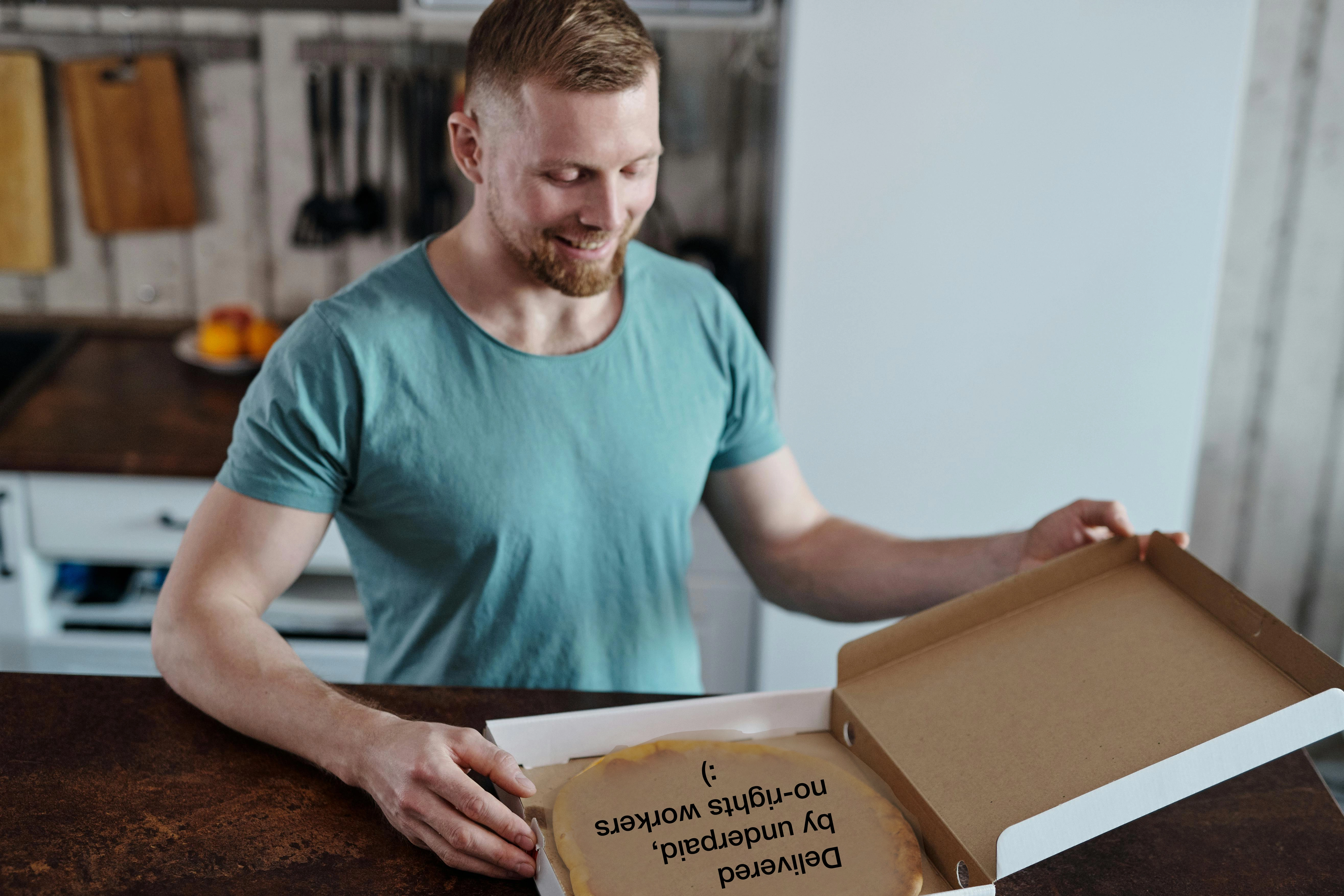
In the best of circumstances, the climax is putting various plastic containers and bags into the trash. Disposing of the evidence, in particular the stapled receipt showing the cost of a week's worth of pantry staples.
The Cookbook Resistance
Here's the uncomfortable truth. I own the cookbooks. I have the aspirations. And I still end up typing "chicken thai style recipe ideas" into Google at 7pm, because my lovely collection of curated, ad-free, actually-good recipes can feel like an insurmountable mountain to climb at the time when I need it most.
"Online recipes are free because you're the product. Your attention, your clicks, your eventual exhaustion that ends in delivery is monetisable mild suffering."
It would be reductive to say that the problem is just digital vs physical, as if you put your phone down and all your chakras will open. The problem is who's paying for it. Online recipes are free because you're the product. Your attention, your clicks, your eventual exhaustion that ends in delivery is monetisable mild suffering. A cookbook already has your money. It doesn't need to make you suffer anymore.
When grocery prices are being rocketed by inflation, a £20 cookbook can be a guide to saving you money and time. The challenge is getting to it before the algorithm gets to you.